When it comes to book
writing, many aspiring authors often wonder if investing in a creative writing book
is worth their time. Can such resources really sharpen your skills, guide your storytelling and even
prepare you for the demanding process of writing a children’s book or a novel? The short answer is yes,
but the benefits extend far beyond grammar tips and writing exercises.
In this blog, we will break down exactly how creative writing books can transform your writing journey.
From understanding story structure to boosting creativity, you will learn why successful authors still
turn to these guides and how you can leverage them to become a stronger, more confident writer.
Why Every Writer Starts with a Creative Writing Book
It is no secret that many bestselling authors began their careers by immersing themselves in a creative
writing book. These resources are more than just instruction manuals; they are packed with strategies,
insights and proven techniques that help writers master the art of storytelling.
When you are new to book writing, it can be overwhelming. You have ideas swirling in your head, but
struggle to put them into a cohesive plot. A creative writing book provides direction. It teaches you
about pacing, dialogue, narrative voice and character development, all the essential ingredients that
bring a story to life.

Moreover, creative writing books serve as a reference guide. Even seasoned authors revisit them when they
hit a creative block. Whether you are outlining a novel or writing a children’s book, these books remind
you of timeless storytelling principles while inspiring fresh ideas.
In other words, they are like a mentor in print, always available whenever you need guidance.
The Foundation of Book Writing: Learning the Basics
Before you can write a compelling book, you need to master the basics. That’s where a creative writing
book becomes invaluable. It explains the fundamentals of sentence structure, grammar and clear
communication. While many writers want to jump straight into crafting elaborate plots, strong basics
ensure your story reads smoothly.
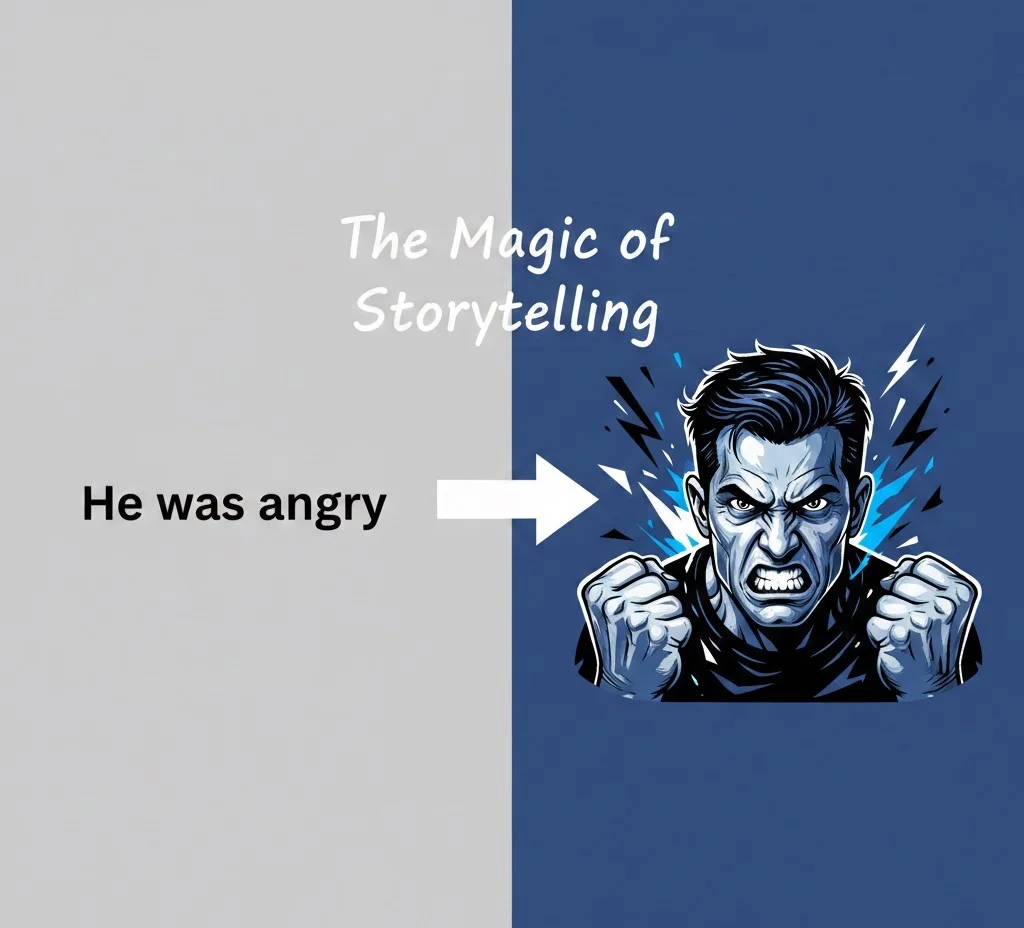
For example, a good writing book will cover how to show versus tell. Instead of saying, “He was angry,”
you will learn how to describe clenched fists, sharp tones and stormy expressions. This transforms flat
narration into vivid storytelling.
Additionally, writing guides help you understand the role of conflict in storytelling. Conflict drives
your narrative and keeps readers hooked. Without it, even the most beautiful prose can feel lifeless.
These books walk you through building tension and resolving it in a satisfying way.
Ultimately, book writing is not just about talent; it is about technique. And like any craft, technique
is something you can study and refine.
Can a Creative Writing Book Replace Real Experience?
Here’s an important question: Can reading about writing truly prepare you for the act of writing? The
answer is both yes and no.
Yes, because creative writing guides provide invaluable lessons from experienced authors. They offer
shortcuts that save you from years of trial and error. They also equip you with exercises that
strengthen your storytelling muscles.
No, because at the end of the day, writing is a skill you learn by doing. No matter how many books you
read, nothing replaces the discipline of sitting down and putting words on the page. Think of it like
reading about swimming; you won’t truly master it until you get in the water.
So, the best approach is a balance. Use a creative writing book as a roadmap,
then apply its lessons in
your actual writing projects. Whether you are drafting your first novel or experimenting with writing a
children’s book, combining theory with practice leads to the best results.
Writing a Children’s Book: Why Creative Writing Books Matter
One area where creative writing books are especially helpful is writing a children’s book. Many people assume children’s literature is simple because it uses fewer words. However, the truth is that writing for young readers is often more challenging.
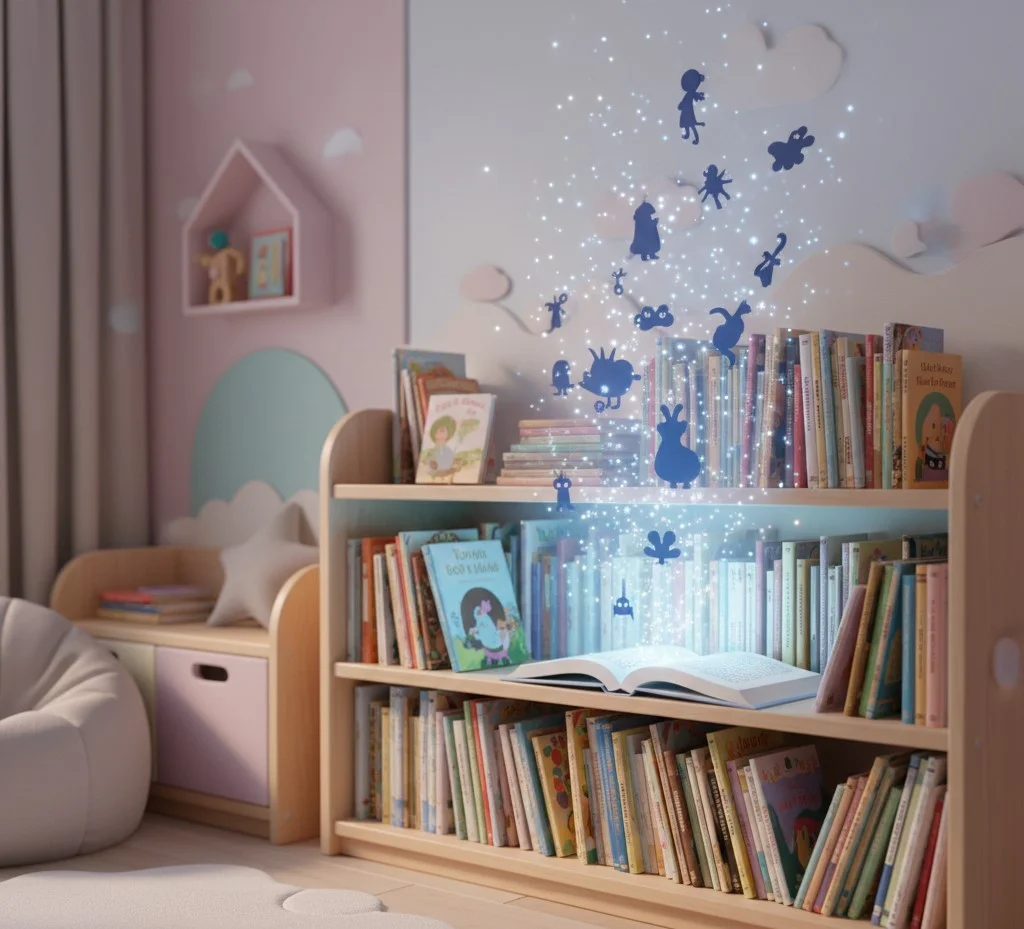
Children’s books require concise language, engaging storytelling and age-appropriate themes. Every word matters. A creative writing book can guide you through this process by teaching you how to:
Moreover, creative writing books often include exercises tailored to writing short, impactful texts. They
teach you how to think visually, which is crucial since illustrations play a big role in children’s
literature.
If you have ever thought about self-publishing a children’s book, starting with a writing guide is one
of the smartest steps you can take.
How Creative Writing Books Unlock Creativity
Sometimes the hardest part of book writing is not the mechanics, but the creativity itself. You might sit at your desk, staring at a blank page, waiting for inspiration that never comes. This is where a creative writing book shines.

Most writing guides include prompts and exercises designed to spark your imagination. For example, they
might ask you to describe your childhood bedroom in detail, write a story from a villain’s perspective
or reimagine a fairy tale in a modern setting. These activities train your brain to think creatively and
explore new directions.
Additionally, reading how other authors solved writing challenges can reignite your motivation. You will
see that even successful writers struggle, but they have found ways to push through. This can give you
the confidence you need to keep going, even on tough writing days.
In short, a creative writing book doesn’t just teach, it inspires.
Building Confidence Through Book Writing Resources
One of the greatest benefits of creative writing guides is the confidence they instill. Many aspiring
authors doubt themselves, wondering if their story is worth telling. Reading expert advice reassures you
that you are not alone in your struggles.
Creative writing books help you recognize your strengths and weaknesses. For instance, you might realize
you excel at dialogue but need to work on descriptive passages. Knowing this allows you to focus your
efforts and improve faster.
Additionally, these guides demystify the writing process. They break down intimidating concepts like
plot arcs, theme and pacing into manageable steps. Suddenly, the dream of finishing a book feels
achievable.
When it comes to writing a
children’s book or tackling a full-length novel, that confidence can be the
deciding factor between finishing your manuscript or abandoning it.
Do Creative Writing Books Help With Publishing?
The writing journey doesn’t end once you finish your manuscript. For many authors, the next challenge is
publication. Here’s where creative writing guides still play an important role.
Many books on writing include sections about editing, revising and even submitting your work to
publishers. They outline the do’s and don’ts of pitching your book, how to write query letters and what
to expect from the publishing process.
If you are considering self-publishing, some guides provide detailed instructions on formatting, cover
design and marketing. While they don’t replace the expertise of a professional book marketing agency
like Savvy Book Marketing USA, they do prepare you to understand the publishing landscape.
In fact, combining your personal knowledge with the support of book marketing experts ensures your work
not only gets published but also finds its audience.
Why Modern Authors Still Use Creative Writing Books
With so much free content online, you might wonder if a creative writing book is still relevant in 2025.
The answer is a resounding yes.
Unlike blog posts or quick tutorials, writing books provides a structured, in-depth approach. They
organize knowledge in a way that builds on itself, taking you from beginner concepts to advanced
techniques. This structure is invaluable for serious writers who want to progress methodically.
Furthermore, creative writing books are often written by authors with years of experience. They don’t
just share theories; they share hard-earned wisdom from their own careers, making their insights
trustworthy and practical.
Even in a digital age, these books remain a timeless resource for anyone serious about book writing or
writing a children’s book.
How Savvy Book Marketing USA Supports Your Writing Journey
At Savvy Book Marketing USA, we understand that writing a book is only the first step. The next challenge
is ensuring that your story reaches readers and that’s where our expertise comes in.
While a creative writing book can help you polish your craft, our team of book marketing experts ensures
your work doesn’t get lost in the crowded marketplace. From editing and publishing support to targeted
promotion, we provide comprehensive solutions for authors at every stage.
Whether you are self-publishing a novel, writing a children’s book or experimenting with creative
nonfiction, we are here to help you achieve success. Our services include professional editing, cover
design, branding and customized marketing strategies to make sure your book stands out.
In other words, you focus on writing and we will handle the rest.
Final Thoughts
So, can a creative writing book really make you a better author? Absolutely. It teaches you the craft,
inspires creativity and boosts your confidence. But its true power lies in how you use it. By combining
the lessons you learn with consistent writing practice, you can transform your skills and bring your
stories to life.
If you are serious about book writing, whether it is your first novel or writing a children’s book, a
creative writing guide is an essential tool. And when you are ready to share your masterpiece with the
world, Savvy Book Marketing USA is here to amplify your success with expert publishing and marketing
support.
After all, every great author starts with a story, but it is the right guidance and promotion that turn
that story into a book readers love.