Children’s books hold a special place in the publishing world. They spark imagination, shape values and leave a lasting impression on young readers. For many writers, creating a children’s book is a dream project, but navigating the world of children’s book publishing can feel overwhelming. Traditional publishers are selective, the competition is fierce and the costs can pile up quickly.
That’s why more and more authors are turning to self publishing a children’s book. It offers freedom,
control and the ability to bring your story to life on your own terms. But with this freedom comes
responsibility: editing, design, illustration and marketing all rest on your shoulders.
In this detailed guide, we will walk you through the entire process step by step. Whether you are
creating your very first picture book or looking to expand into chapter books, this roadmap will help
you understand how children’s book publishers and self-publishing platforms can help you succeed.
Why Self Publishing a Children’s Book is a Smart Choice
For decades, aspiring authors had to rely on children’s book publishers to bring their stories to market.
While this traditional route still works for some, it often comes with long waiting times, rejection
letters and limited creative control.
Self publishing a children’s book changes that dynamic completely. Instead of waiting for approval, you
control the timeline. You decide on the illustrations, the layout, the price point and even the global
reach of your book. With online platforms and professional support, self-publishing has become a
realistic option for anyone with a great story to tell.
Another advantage is higher royalties. Traditional publishers often keep the lion’s share of earnings.
In self-publishing, you can earn a much larger percentage for every sale. This makes it possible to
build a sustainable career while retaining full rights to your work.
Most importantly, self-publishing allows you to connect directly with your audience. Parents, teachers
and children themselves will experience your story exactly as you envisioned it, without unnecessary
edits or compromises.
Understanding the Children’s Book Market
Before diving into children’s book publishing, it is vital to understand the market. Children’s literature isn’t one-size-fits-all; it spans a wide range of categories.
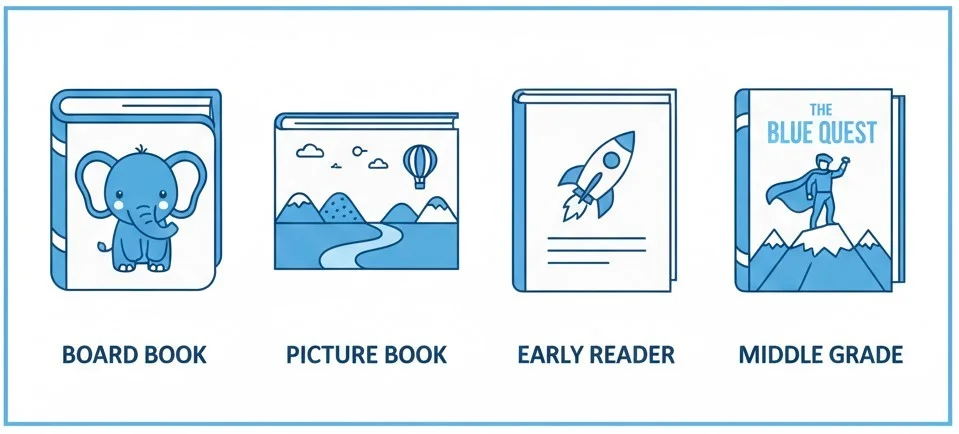
When self publishing a children’s book, knowing your target age group helps determine word count,
illustration style and even the format. It also helps with marketing because a book for toddlers won’t
be promoted the same way as a book for preteens.
Understanding current trends also matters. In recent years, diversity, inclusivity and real-world themes
have grown in popularity. Parents and educators are actively looking for books that reflect varied
experiences and teach valuable lessons in relatable ways.
Writing Your Manuscript: Crafting Stories Kids Love
At the heart of every successful children’s book is a strong manuscript. Writing for children is both an
art and a skill; you need to balance storytelling with simplicity.
Start by focusing on relatable characters. Kids connect quickly with animals, everyday heroes and
magical figures who mirror their own struggles and triumphs. Keep your language clear and
age-appropriate. Remember: shorter doesn’t mean easier. Crafting simple, rhythmic sentences takes
precision and creativity.
Another important element is the theme. Whether it is kindness, perseverance or curiosity, children’s
books often carry life lessons. However, the story should never feel like a lecture. The message works
best when it is woven naturally into the plot.
Lastly, keep pacing in mind. Young readers have shorter attention spans, so each page needs to move the
story forward. In picture books, page turns should add excitement, encouraging kids to shout, “Read it
again!”
Editing: Polishing Your Story for Perfection
Even the best ideas need refinement. Professional editing is a critical part of children’s book
publishing. Skipping this step can lead to overlooked errors, clunky sentences or inconsistencies that
turn readers away.
Editing for children’s books involves more than grammar. It includes checking for:
Many authors work with specialized editors who understand the nuances of children’s literature. While this is an investment, it is one of the most important steps in creating a polished, professional product. Remember: parents are the buyers and they expect quality.
Illustrations: Bringing Your Story to Life
When parents browse children’s books, the first thing they notice is the artwork. In fact, illustrations
often determine whether a book gets picked up or ignored. That’s why illustrations are considered the
heart of children’s book publishing.
For picture books, the illustrations carry half the story. They convey emotion, enhance pacing and add
humor or drama where words fall short. Even in chapter books, spot illustrations can add charm and make
the reading experience more engaging.
Authors who are self publishing a children’s book have two options: hire a professional illustrator or
work with a publishing service that provides illustration packages. Choosing the right artist is
critical; you will want someone whose style complements your story’s tone.
At Savvy Book Marketing USA, we help authors connect with talented illustrators who understand how to
capture young imaginations. Affordable options exist and the investment pays off when readers are
captivated by both your words and visuals.
Book Design and Formatting: Creating a Professional Look
Once the manuscript and illustrations are ready, the next step is design and formatting. This is where
your book is assembled into its final form.
Formatting includes:
Self-published books often fail because of poor design. Crooked margins, blurry images or inconsistent fonts make the book look unprofessional. With today’s competitive market, you can’t afford these mistakes. That’s why working with professionals, even at affordable rates, can make the difference between a book that sells and one that doesn’t.
Choosing Between Children’s Book Publishers and Self Publishing
When it comes to children’s book publishing, authors face two main choices: traditional publishers or self-publishing.
Traditional Children’s Book Publishers:
Self Publishing a Children’s Book:
The right choice depends on your goals. If you want control, speed and ownership, self-publishing may be ideal. If you are looking for prestige and don’t mind waiting years, traditional publishing may appeal to you.
Printing Options: Hardcover, Paperback or EBook?
Another big decision is format. Modern children’s book publishing offers several printing options.
When self publishing a children’s book, many authors choose a combination. Offering both print and digital formats maximizes reach and caters to different reader preferences. Online platforms like Amazon KDP and IngramSpark make it possible to distribute across all formats at affordable rates.
Distribution: Getting Your Book Into Readers’ Hands
Publishing a book is one thing; getting it into readers’ hands is another. That’s why distribution is a
key part of children’s book publishing.
Self-publishing platforms like Amazon, IngramSpark and Barnes & Noble Press give authors access to
global marketplaces. With the right setup, your book can be available worldwide within weeks. This is
particularly powerful for authors who want to build an international audience.
However, just listing your book isn’t enough. To stand out, you will need to combine distribution with marketing strategies, book reviews, social media campaigns and school outreach programs. This is where a professional partner like Savvy Book Marketing USA can help authors bridge the gap.
Marketing Your Children’s Book: Building Awareness
In tbroday’s crowded market, marketing is just as important as publishing. Without it, even the most
beautifully illustrated book risks being invisible.
Effective marketing strategies include:
Why Work with Savvy Book Marketing USA
At Savvy Book Marketing USA, we specialize in helping authors navigate the complex world of children’s
book publishing. From editing and illustrations to marketing and global distribution, we offer
affordable, step-by-step solutions for new authors.
Our team understands the unique challenges of self publishing a children’s book. We help connect you
with professional illustrators, polish your manuscript and ensure your book looks as professional as
anything from major children’s book publishers.
Most importantly, we don’t just stop at publishing. We create tailored marketing strategies to ensure
your story finds its way into homes, classrooms and libraries worldwide.
Final Thoughts
Publishing a children’s book is one of the most rewarding creative journeys an author can take. While the
process may seem daunting, today’s tools and services make it easier than ever to bring your vision to
life.
Whether you choose traditional children’s book publishers or explore the freedom of self publishing a
children’s book, remember this: success comes from preparation, professionalism and persistence.
With the right guidance, affordable services and a clear roadmap, your story can find its way into the
hearts of young readers everywhere. And with Savvy Book Marketing USA by your side, you’ll have the
support you need every step of the way.